Yes
- You have written strategy rules that can be translated into testable conditions.
- You want explicit limits on position size and aggregate exposure.
- You can review alerts and intervene when market conditions change.

Trading automation with visible risk controls
Build the limits into the workflow, then inspect how the strategy behaves before deciding whether to use it live.
Discuss your strategy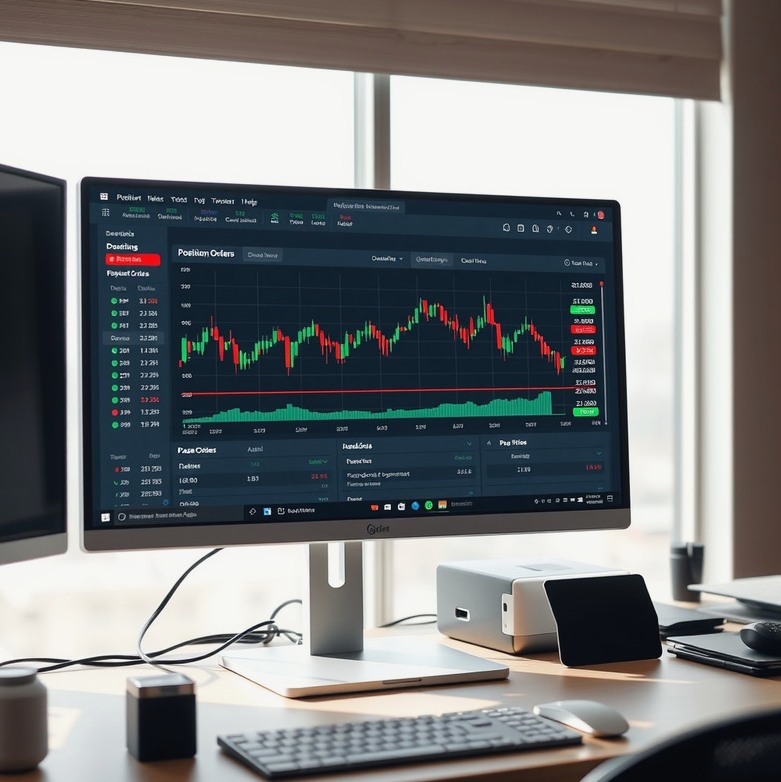
An automated strategy needs more than an entry signal. We document position sizing, maximum exposure, stop conditions and the circumstances that should pause execution. Those rules become part of the configuration you can inspect and test. Historical tests can expose weaknesses in an approach, but they cannot reproduce every live-market condition. You remain responsible for choosing the strategy, reviewing its behaviour and deciding whether trading with real funds is appropriate.
Set position and portfolio limits as explicit rules. Review what happens when a proposed order exceeds them, including whether the system blocks it or raises an alert.
Keep assumptions, date ranges and transaction-cost settings alongside backtest results. A repeatable test is easier to question than a chart with no explanation.
Use a dashboard to inspect rejected orders, connection errors and paused strategies. Automation still needs a person who can respond to exceptions.

Consider an independent trader in Pretoria with a documented entry signal but inconsistent manual position sizing. The engagement starts by translating that signal into conditions, then specifying maximum position size, exposure across open trades and a pause rule for connection failures. We test the configuration against historical data with stated assumptions and check the broker connection in a non-live environment. The deliverable is a configuration record, test report and dashboard walkthrough, not a forecast of trading results.
The useful part of the setup was seeing precisely when an order would be blocked. During the walkthrough, we checked a position-size limit and a connection interruption separately, rather than treating the backtest chart as the whole answer.
Daniel Mokoena, Pretoria
Compare the scope of each plan before requesting a written proposal for your particular strategy and broker.